The Importance of Recognizing the Incorporation Standard in Company Formation Offshore Processes
Steering with the complexities of overseas Company Formation requires a solid grasp of incorporation criteria. These criteria dictate eligibility, affecting whatever from regulative compliance to tax obligation advantages. Business owners need to understand exactly how jurisdictional variables play a duty in this procedure. An absence of recognition can bring about expensive blunders. As businesses discover these waters, the effects of their decisions end up being significantly significant. What specific elements should they prioritize to guarantee an effective endeavor?
Defining Addition Standard for Offshore Company Formation
When considering the formation of an offshore business, it is crucial to establish clear incorporation requirements that direct the decision-making process. These standards act as a foundational structure, assuring that possible candidates for overseas Company Formation meet details needs. Commonly, they may include elements such as the service's nature, the geographical location of procedures, and the legal structures readily available in numerous jurisdictions.
Inclusion criteria aid streamline the option process, allowing entrepreneurs to focus on viable choices that align with their strategic objectives. In addition, these criteria can mitigate threats related to compliance, taxation, and governing concerns in international markets. By specifying these standards, local business owner can efficiently assess their inspirations for offshore Company Formation and guarantee placement with their lasting goals. Inevitably, clarity in inclusion criteria fosters notified choices, facilitating a smoother change into the offshore company landscape
Trick Variables Influencing Eligibility
Eligibility for overseas Company Formation rests on numerous key factors that form an entrepreneur's capacity to effectively browse this complicated landscape. The person's monetary standing is essential, as several jurisdictions need evidence of enough capital to develop and preserve a company. Second, the nature of the service plays a substantial role; specific industries might deal with constraints or added laws in overseas setups. Third, the business owner's residency status can affect qualification, with some jurisdictions favoring neighborhood residents or calling for particular authorizations for foreign nationals. In enhancement, compliance with anti-money laundering (AML) and know-your-customer (KYC) guidelines is vital, as failure to satisfy these criteria can disqualify candidates. The entrepreneur's experience and understanding in global service techniques may influence their capacity to satisfy the necessary requirements. Comprehending these aspects is crucial for anybody taking into consideration offshore Company Formation.
The Duty of Territory in Incorporation Criteria
Jurisdiction plays a critical function in identifying the incorporation requirements for overseas Company Formation, as various regions impose special guidelines and standards. Each territory has its own legal structure that defines who can develop an overseas firm, the sorts of services enabled, and the requisite paperwork. For example, some jurisdictions may need a minimum capital financial investment or certain certifications for investors and directors, while others may have much more tolerant demands.
Additionally, the credibility of a territory can influence the perceived legitimacy of a business. Regions with well-established lawful systems and robust regulative frameworks tend to bring in more significant company ventures, while others may be considered as tax obligation places or less credible. Comprehending these jurisdictional subtleties is essential for potential entrepreneurs, as the selected area can greatly affect operational efficiency, conformity commitments, and total organization success in the overseas landscape.
Tax Effects and Benefits
Tax ramifications play a crucial function in offshore Company Formation, influencing both instant financial benefits and long-lasting approaches. Comprehending offered tax obligation motivations and ensuring compliance with neighborhood policies are crucial for enhancing monetary end results. By strategically maneuvering through these aspects, companies can enhance their functional effectiveness and sustainability in worldwide markets.
Tax Obligation Rewards Introduction
While many entrepreneurs take into consideration offshore Company Formation for different strategic factors, understanding the tax obligation incentives entailed is crucial for maximizing benefits. Offshore territories commonly supply favorable tax obligation regimens, consisting of reduced or zero company tax obligations, which can significantly enhance profit margins. Some regions offer tax obligation holidays or exceptions for particular sectors, encouraging foreign financial investment. Furthermore, specific nations may have dual taxes treaties, allowing services to stay clear of being taxed on the same revenue in several territories. Tax obligation rewards can also include reduced funding gains taxes and exceptions for foreign income. By extensively examining these benefits, business owners can maximize their financial method and guarantee compliance with local laws while effectively handling their international tax obligations.

Conformity With Rules
Offshore Company Formation uses a range of tax obligation motivations, but understanding compliance with policies is just as essential for business owners. Conformity assurances that services comply with global requirements and local legislations, which can substantially influence their operational success. Failure click here now to comply might lead to severe penalties, including fines and loss of license. Entrepreneurs need to recognize the certain tax obligation responsibilities in their picked jurisdiction, as various areas offer differing requirements and advantages. Additionally, recognizing coverage standards and anti-money laundering policies is essential to stay clear of legal issues. By prioritizing conformity, company owner can appreciate the monetary advantages of overseas formation while preserving a credible and legal presence in the worldwide market.
Long-lasting Financial Strategies
Developing effective lasting economic approaches is essential for business owners taking into consideration overseas Company Formation, particularly pertaining to tax implications and benefits. By picking jurisdictions with beneficial tax obligation regimens, companies can considerably minimize their tax obligation burden and improve capital. Recognizing local tax regulations, such as deductions, exceptions, and credits, plays a crucial role in maximizing economic efficiency. Furthermore, methods like revenue repatriation and transfer prices can better boost tax obligation performance. Entrepreneurs ought to likewise consider the possible influence of global tax obligation treaties, which might supply advantageous terms for cross-border operations. Ultimately, a well-structured economic technique, straightened with lawful compliance and regulatory criteria, not just fosters lasting growth however likewise supplies an one-upmanship in the international marketplace.
Regulatory Conformity Considerations
Regulative conformity is an essential element that must be thoroughly navigated during the development of an overseas firm, as failing to follow regional laws can result in substantial penalties. Each jurisdiction has its own collection of policies governing Company Formation, consisting of registration needs, tax obligation responsibilities, and reporting criteria. It is essential for entrepreneurs to completely recognize these regulations to assure their operations straighten with legal assumptions.
Strategic Service Planning for Offshore Ventures

Defining Target Market
Identifying the target market is a critical step in the strategic business preparation process for offshore endeavors. This process entails analyzing possible customers and their choices, which educates item growth and advertising approaches. By comprehending demographic aspects such as revenue, age, and area, businesses can customize their offerings to satisfy particular requirements. Furthermore, evaluating market trends and consumer actions aids in determining spaces in the market that the endeavor can make use of. Reliable division of the target audience boosts the possibility for success by guaranteeing that sources are designated effectively. Ultimately, a well-defined target market facilitates a concentrated method, improving the likelihood of accomplishing affordable benefit and lasting sustainability in the offshore business landscape.
Compliance With Rules

While steering via the complexities of overseas Company Formation, conformity with regulations arises as an important aspect in guaranteeing the venture's success. Sticking to neighborhood legislations and global guidelines not only minimizes lawful dangers however likewise enhances the integrity of the service. Business must be attentive pertaining to tax commitments, licensing needs, and reporting standards details to their selected territory. Additionally, recognizing anti-money laundering (AML) protocols and know-your-customer (KYC) regulations is necessary for maintaining functional integrity. Failing to comply can result in charges, reputational damages, or even dissolution of the business. Strategic business planning need to include extensive conformity checks to protect versus possible risks, inevitably establishing a strong foundation for growth and sustainability in the offshore field.
Usual Pitfalls to Stay Clear Of in Offshore Company Formation
Many business owners neglect crucial details when forming an offshore business, which can lead to substantial legal and monetary repercussions. One click to find out more typical mistake is stopping working to perform extensive research on administrative regulations. Each overseas place has special regulations that can impact business procedures. Entrepreneurs commonly take too lightly the relevance of selecting the appropriate company straight from the source structure, which can impact responsibility and tax. Additionally, overlooking to develop a reputable local existence, such as a registered agent, can lead to problems throughout governing compliance.
One more blunder entails inadequate understanding of financial needs, which can bring about account gain access to concerns. Business owners might also overlook the importance of preserving accurate documents, which is vital for openness and conformity. Inadequate legal guidance can result in false impression of the demands, subjecting the organization to threats. By staying clear of these mistakes, entrepreneurs can improve their overseas Company Formation experience and warranty lasting success.
Regularly Asked Questions
Can Foreign People Form Offshore Companies Without Local Partnerships?
The inquiry of whether international individuals can form overseas companies without neighborhood collaborations is complicated. Normally, many jurisdictions enable this, yet particular laws and needs might differ considerably depending on the country chosen for consolidation.
What Documents Is Needed for Offshore Company Formation?
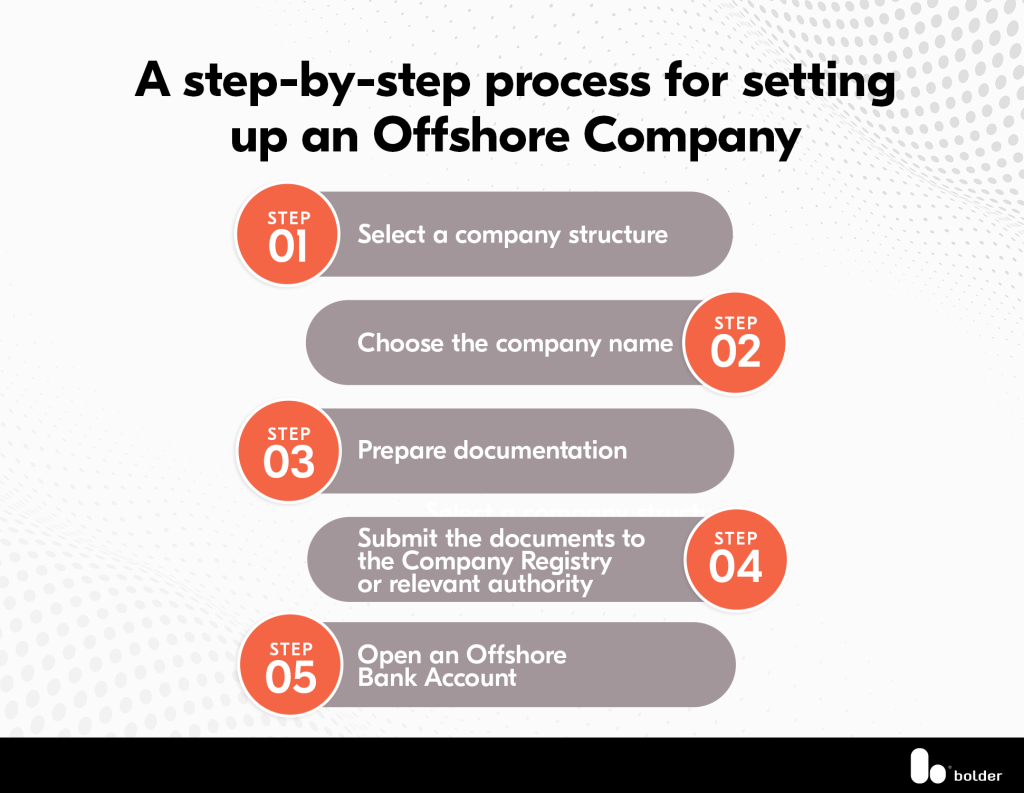
The paperwork needed for overseas Company Formation generally includes recognition evidence, household address verification, organization plan, bank recommendation letters, and sometimes additional regulatory kinds, depending upon the jurisdiction's details lawful requirements and firm structure chosen. company formation offshore.
Exist Age Restrictions for Offshore Firm Owners?
Age constraints for offshore business owners differ by territory. Normally, individuals should go to the very least 18 years of ages to lawfully develop a firm. Some regions may have details arrangements or additional needs pertaining to age qualification.
For how long Does the Offshore Company Formation Refine Typically Take?
The overseas Company Formation procedure typically takes anywhere from a couple of days to several weeks. Aspects influencing duration include territory laws, needed documents, and the effectiveness of service suppliers associated with the registration process.
Can I Change My Business's Incorporation Standard After Development?
If transforming a business's inclusion requirements post-formation was possible, the specific wondered. Typically, changes can be made, but this commonly calls for adherence to particular legal treatments and conformity with the policies of the jurisdiction included.
By specifying these requirements, company owners can effectively assess their inspirations for offshore Company Formation and warranty placement with their lasting objectives. Each jurisdiction has its very own lawful structure that specifies who can establish an offshore company, the types of businesses allowed, and the requisite documentation. While many entrepreneurs consider offshore Company Formation for different strategic reasons, understanding the tax rewards entailed is essential for taking full advantage of advantages. Offshore Company Formation supplies a variety of tax obligation rewards, however understanding compliance with regulations is just as essential for business owners. Establishing efficient long-term financial techniques is crucial for business owners thinking about overseas Company Formation, particularly concerning tax implications and benefits.
Comments on “Explore how company formation offshore helps manage business growth”